
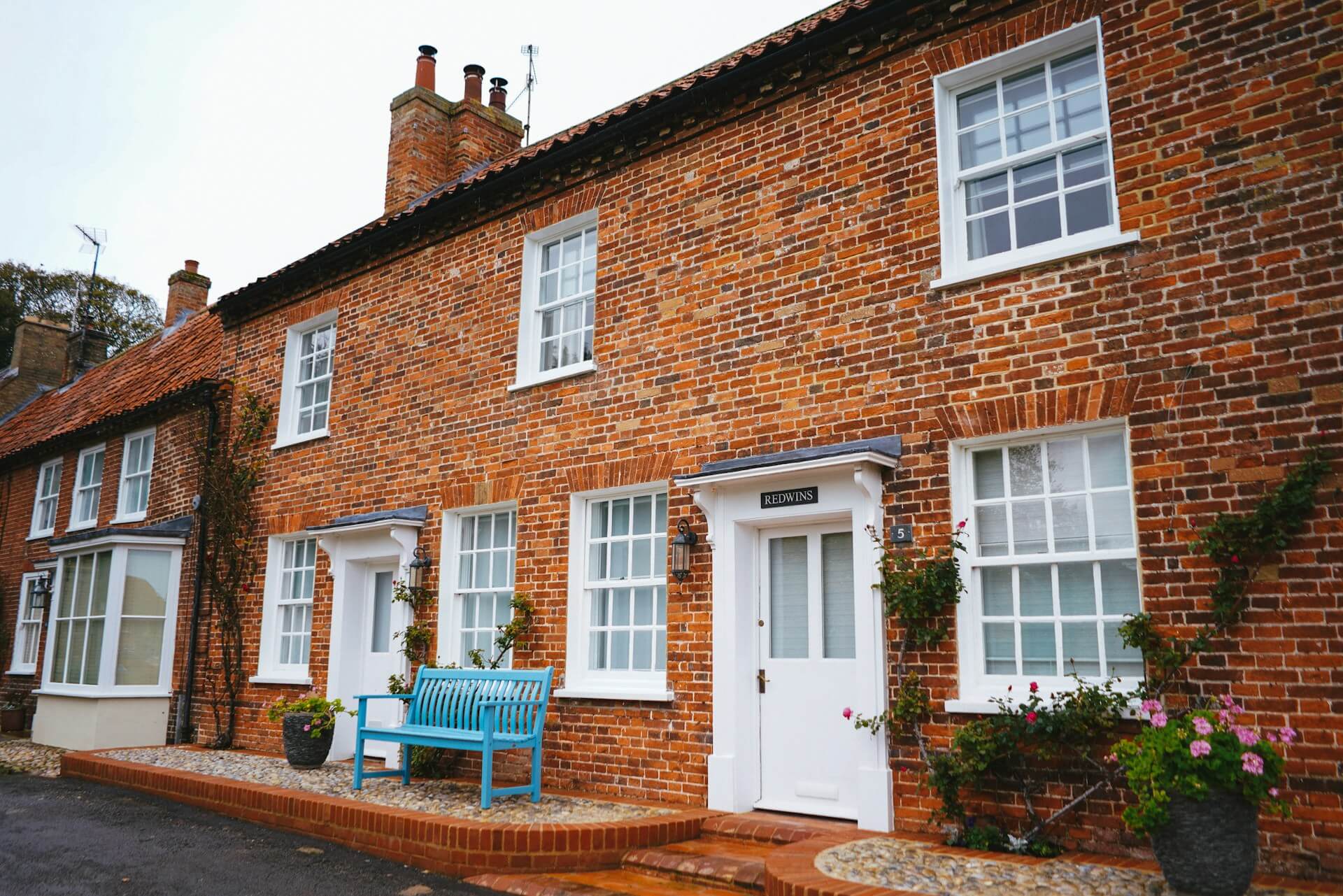
Stand outside a Victorian terrace in Jesmond or a 1930s semi in Gosforth and you will notice something immediately. The front door is not just functional. It anchors the façade. It frames the entrance. It often sets the tone for the entire street.
If you are researching the best front door styles for traditional Newcastle homes, you are likely aware that this is not a simple swap. A poorly chosen door can flatten period features and clash with brickwork that has stood proudly for over a century. A well-chosen one, on the other hand, can elevate kerb appeal instantly while improving warmth and security.
At Windows & Doors Newcastle, we install front doors on traditional properties across Heaton, Sandyford, High Heaton, Jesmond and beyond. Each era of home demands a slightly different approach. This guide will walk you through the styles, materials, colours and finishing details that genuinely suit Newcastle’s traditional housing stock.
Why Front Door Style Matters on Traditional Homes
Modern new builds tend to have clean, simple elevations where a bold door can act as a statement piece. Traditional homes are different. Their brickwork, lintels, arches and proportions were designed with a specific door style in mind.
Victorian, Edwardian and 1930s homes all carry architectural cues that guide what looks right. When those cues are ignored, the door can feel visually disconnected from the rest of the property.
The goal when choosing a front door for a traditional Newcastle home is not to modernise for the sake of it. The goal is to enhance what is already there.
Understanding Traditional Newcastle Property Types
Before selecting a front door, it is essential to understand the era of your property. Newcastle’s housing stock varies significantly by area.
Victorian Terraces and Townhouses
Common in Jesmond, Heaton and parts of central Newcastle, Victorian homes typically feature tall doorways, decorative brick arches and stone lintels. Entrances are often vertically proportioned and may include a fanlight above the door.
Original Victorian doors were usually timber and panelled, often with glazed upper sections to allow light into long, narrow hallways.
Edwardian Homes
Edwardian properties often appear slightly less ornate than Victorian homes. They tend to feature wider entrances and sometimes stained or patterned glass panels.
The detailing is more restrained but still distinctly traditional.
1930s Bay-Fronted Semis
These are extremely common across Gosforth, Benton and surrounding areas. They typically feature broader proportions and simpler brick detailing.
Original doors were often solid timber with horizontal panels and modest glazed inserts.
Each style benefits from a door that respects its proportions.
The Best Front Door Styles for Victorian Newcastle Homes
Victorian properties require careful attention to detail. The door must complement tall windows and decorative masonry.
Traditional Four or Six Panel Designs
Panelled doors remain one of the best front door styles for traditional Newcastle homes from the Victorian era. Four-panel and six-panel designs replicate the original timber appearance closely.
Modern composite versions can mimic timber grain while delivering improved insulation and security.
The panels should be well proportioned and not overly bulky. Slim detailing preserves elegance.
Glazed Upper Sections
Many Victorian doors featured glass in the upper third. This allowed natural light into entrance halls that often lacked side windows.
Modern frosted or patterned glazing can replicate this feature while maintaining privacy.
Maintaining a glazed upper section keeps the vertical emphasis intact.
Retaining Original Fanlights
If your Victorian home features a fanlight above the door, it should be retained wherever possible. Replacing only the main door while preserving the fanlight maintains period authenticity.
Changing the entire opening to a single modern slab can significantly disrupt the façade.
The Best Front Door Styles for Edwardian Properties
Edwardian homes sit between ornate Victorian and more streamlined 1930s designs.
Balanced Glazing Panels
Edwardian doors often featured symmetrical glazing arrangements in the upper half.
Replicating this symmetry maintains architectural consistency.
Avoid oversized modern glass panels that overpower the entrance.
Subtle Decorative Glass
Edwardian properties can accommodate lightly patterned or stained-style glazing.
The design should remain subtle and proportional rather than highly decorative.
When executed well, it enhances character without feeling excessive.
The Best Front Door Styles for 1930s Newcastle Homes
1930s properties require a slightly different approach due to their broader proportions.
Solid Panelled Composite Doors
A solid panelled composite door is often the most appropriate choice for a 1930s semi.
Two or three horizontal panels tend to suit the architecture well.
The design should align with the wider stance of bay windows.
Small Rectangular Glazing Inserts
Many 1930s doors featured small rectangular glass sections, usually positioned in the upper half.
Modern composite doors can replicate this detail while improving energy efficiency.
Large, full-length glazed panels typically look too contemporary for this era.
Composite vs Timber for Traditional Homes
Material choice influences both performance and long-term maintenance.
Composite Doors
Composite doors combine multiple materials for strength and insulation.
They offer realistic woodgrain finishes and require minimal maintenance.
For most traditional Newcastle homes, composite provides the ideal blend of heritage appearance and modern practicality.
Engineered Timber Doors
Engineered timber doors provide maximum authenticity.
They are often required in conservation areas.
However, they demand ongoing maintenance and typically cost more than composite alternatives.
At Windows & Doors Newcastle, we frequently recommend high-quality composite doors for homeowners seeking durability without sacrificing traditional aesthetics.
Colour Choices That Complement Newcastle Brickwork
Colour selection is critical for traditional homes.
Timeless Colours That Work
- Deep red
- Navy blue
- Forest green
- Black
- Charcoal grey
These shades complement red brick and stone detailing beautifully.
They enhance rather than compete with the façade.
Colours to Approach Carefully
Very bright or pastel shades can look out of place on traditional properties.
While bold colours can work in specific contexts, they should be chosen with care.
The aim is longevity, not trend-driven design.
Hardware and Finishing Details
Details often determine whether a door feels authentic or artificial.
Traditional Hardware Finishes
Polished brass suits Victorian homes particularly well.
Satin chrome or brushed finishes often work better on Edwardian and 1930s properties.
The finish should complement other external fittings such as house numbers and lighting.
Knockers and Letterplates
Period-style knockers enhance authenticity.
Letterplates should be proportionate and centrally aligned.
These finishing touches complete the overall visual balance.
Security and Modern Performance
Traditional style does not mean compromising security.
Modern composite and timber doors include multi-point locking systems as standard.
Anti-snap cylinders and reinforced frames enhance safety discreetly.
Security upgrades should be integrated without disrupting period aesthetics.
Planning Permission and Conservation Areas
Some traditional Newcastle homes sit within conservation areas.
In these cases, like-for-like replacements may be required.
Always check with Newcastle City Council if your property falls within a protected zone.
In most non-conservation areas, replacing a front door does not require formal planning permission.
Cost of Replacing a Front Door on a Traditional Home
Costs vary depending on material and specification.
A high-quality composite door installation in Newcastle typically ranges between £1,200 and £2,000.
Engineered timber options can exceed this, particularly if bespoke detailing is involved.
Investing in quality ensures longevity and maintains kerb appeal.
Common Mistakes to Avoid
Choosing purely based on price often leads to disproportionate designs.
Oversized glass panels can look out of place on Victorian and 1930s façades.
Ignoring brickwork tones when selecting colour can disrupt visual harmony.
Working with installers unfamiliar with traditional properties may result in poor finishing around stone surrounds.
Final Thoughts on the Best Front Door Styles for Traditional Newcastle Homes
The best front door styles for traditional Newcastle homes respect the era and proportions of the property.
Victorian homes suit panelled designs with glazed upper sections and heritage colours.
Edwardian properties benefit from balanced glazing and subtle decorative detailing.
1930s homes look best with solid panels and modest glazed inserts that align with bay windows.
Composite doors with realistic woodgrain finishes often provide the ideal balance between authenticity and modern performance.
When chosen carefully and installed properly, a new front door enhances rather than alters the character of your home. It strengthens first impressions, improves energy efficiency and maintains the architectural identity that makes traditional Newcastle properties so distinctive.
Get A Quick Quote
Please provide your contact details here and we’ll get back to you shortly with a quote. We aim to respond to all quote requests in 24 hours.

