
If you are planning to replace your windows in Newcastle, one practical question tends to come up early in the process. Do you actually need scaffolding, or can the job be done without it?
For many homeowners, scaffolding immediately brings to mind extra cost, disruption and visual impact. Others assume it is automatically required for any upstairs window. The truth sits somewhere in between, and the answer depends heavily on your property, access and the complexity of the installation.
At Windows & Doors Newcastle, we assess scaffolding requirements during every survey rather than making assumptions. In this guide, we will explain when scaffolding is necessary, when it is not, and what factors influence the decision in Newcastle homes.
Why Scaffolding Is Sometimes Required
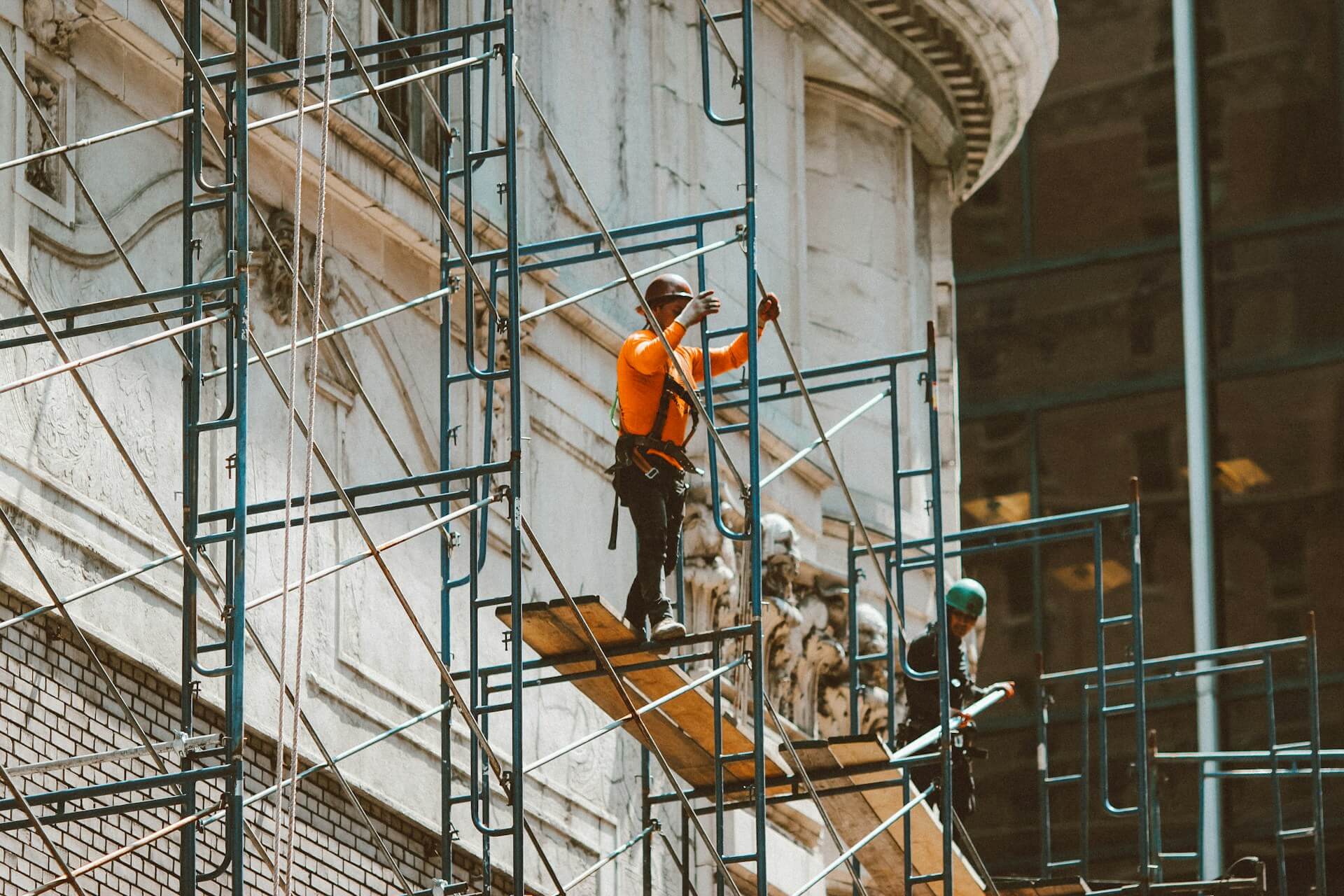
The primary reason scaffolding is used during window replacement is safety. Installers must be able to remove existing frames and fit new ones securely without overreaching or working from unstable positions.
UK health and safety regulations are strict when it comes to working at height. If a task cannot be carried out safely from ladders or other approved access equipment, scaffolding becomes a legal and practical requirement.
This decision is not about convenience. It is about protecting both the installers and your property during the process.
When Scaffolding Is Usually Not Required
In many standard Newcastle properties, full scaffolding is not necessary. The need depends on height, access and how the windows are positioned.
Ground Floor Window Replacements
Ground floor windows rarely require scaffolding. Installers can work safely from ground level using step platforms where needed.
Access around the perimeter of the home is typically straightforward, particularly in semi-detached and detached properties. In these cases, scaffolding would add unnecessary cost and disruption.
Standard Two-Storey Homes with Good Access
Many two-storey homes in Newcastle can have upstairs windows replaced without full scaffolding. Installers may use professional-grade ladders or mobile access platforms where it is safe to do so.
If the working area allows stable positioning and controlled handling of the window units, scaffolding may not be required. Each elevation of the property is assessed individually rather than applying a blanket rule.
When Scaffolding Is Likely Required
There are specific scenarios where scaffolding becomes necessary rather than optional. These situations usually involve increased height, restricted access or complex structural considerations.
Three-Storey or Loft Conversion Properties
If your property has three storeys or a loft conversion with dormer windows, scaffolding is typically required. Working at this height from ladders does not meet safety standards.
A secure platform ensures installers can remove and refit windows safely without compromising stability.
Sloped Ground or Difficult Access
Newcastle has many properties with sloping rear gardens or uneven ground levels. In these cases, safe ladder positioning may not be possible.
Narrow alleyways in Victorian terraces can also restrict access, making scaffolding the safest solution. Stability becomes particularly important when handling heavy glazed units.
Large Bay Windows or Structural Openings
Bay windows and larger structural frames require additional care during removal and installation. These units are heavier and often require multiple installers working simultaneously.
Scaffolding provides a stable working platform and space to manoeuvre safely. Attempting this type of installation without proper access increases risk.
Exposed or Windy Locations
In more exposed areas of Newcastle, wind can affect safe working conditions at height. A secure scaffold platform offers greater stability than ladders in such conditions.
This reduces the likelihood of accidental damage to frames or brickwork during installation.
Health and Safety Considerations
Professional installers must comply with UK Work at Height Regulations. These regulations require risk assessments and appropriate safety measures before beginning any elevated work.
If the survey identifies that safe working cannot be guaranteed without scaffolding, it must be used. Cutting corners to reduce cost is not an option for reputable companies.
Safety protects not only installers but also homeowners and neighbouring properties.
Does Scaffolding Increase the Cost?
Yes, scaffolding typically adds to the overall project cost. The exact amount depends on the size of the structure, duration of hire and complexity of access.
For smaller projects, a scaffold tower may be sufficient and more cost-effective than full property coverage. Larger installations may require full elevation scaffolding for several days.
While it increases cost, it also improves efficiency and safety. In some cases, the time saved during installation offsets part of the additional expense.
How Long Will Scaffolding Be in Place?
In most Newcastle window replacement projects, scaffolding is erected shortly before work begins and removed soon after completion.
For a typical two- to three-day installation, scaffolding may remain in place for less than a week. Good planning between installer and scaffold provider keeps disruption to a minimum.
Clear communication ensures you understand the schedule in advance.
Alternatives to Full Scaffolding
Scaffolding is not always an all-or-nothing solution. There are alternatives depending on the project.
Mobile Scaffold Towers
For limited upper-floor access, a mobile scaffold tower may provide sufficient stability. These are smaller, more flexible structures that can be repositioned as needed.
They are commonly used for individual window replacements rather than full-house installations.
Internal Installation Where Suitable
Some windows can be removed and installed from inside the property. This reduces the need for external access equipment.
However, this method depends on the window type and surrounding brickwork. It is not suitable in all scenarios.
Newcastle Property Types and Access Challenges
Newcastle’s housing stock is diverse, and this influences scaffolding requirements.
Victorian terraces often feature rear lanes that restrict equipment access. Bay-fronted 1930s homes may require careful handling due to protruding structures.
Modern estates with level ground and wide access typically present fewer access challenges.
Local experience helps determine the safest and most efficient approach for each property type.
Does Scaffolding Protect Your Property?
Although some homeowners worry about disruption, scaffolding can actually protect your home during installation.
A stable platform reduces the risk of accidental damage to brickwork or window reveals. Installers can handle glass units more carefully and precisely.
In damp or windy conditions, scaffolding improves control and accuracy.
When used appropriately, it supports both safety and quality.
Final Thoughts: Do You Need Scaffolding for Window Replacement in Newcastle?
Not every window replacement project in Newcastle requires scaffolding. Ground floor installations and many standard two-storey homes can often be completed safely without it.
However, taller properties, restricted access, large bays or exposed elevations frequently require scaffold platforms to ensure safe and compliant working conditions.
The decision should always prioritise safety, installation quality and long-term performance rather than focusing solely on cost.
During your survey, your installer should clearly explain whether scaffolding is necessary and provide reasoning based on your property’s layout and height.
When required, scaffolding supports a smoother, safer installation and helps ensure your new windows are fitted correctly for decades to come.
Get A Quick Quote
Please provide your contact details here and we’ll get back to you shortly with a quote. We aim to respond to all quote requests in 24 hours.

