
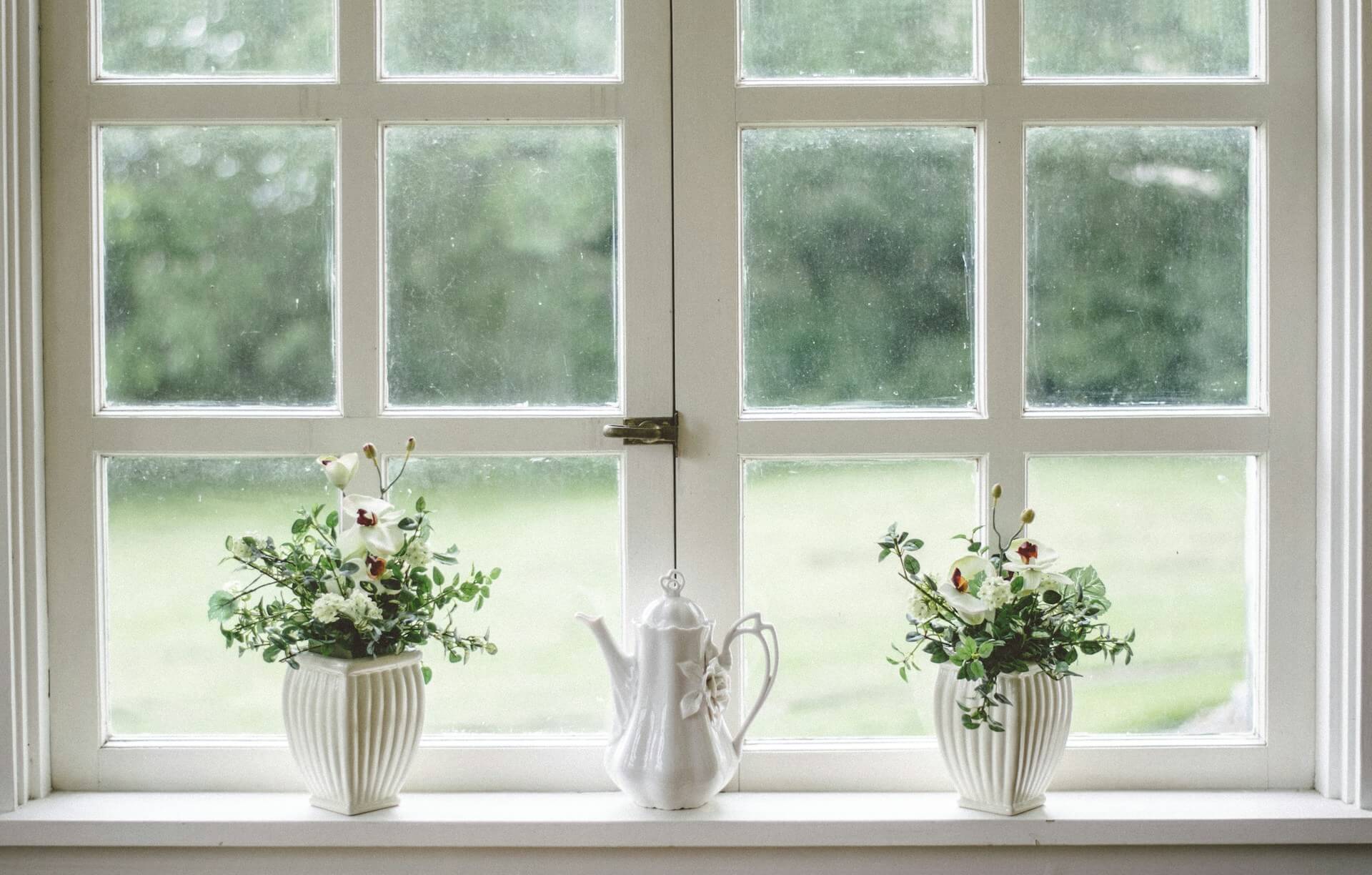
If you are planning new windows for your home, it is easy to focus on the glass first. Most homeowners think about energy ratings, double versus triple glazing and how much warmer their rooms will feel in winter. What often gets overlooked, however, is the frame itself. The material surrounding the glass plays a huge role in insulation, durability, maintenance and the overall look of your property.
At Windows & Doors Newcastle, we regularly speak to homeowners who assumed all modern window frames perform the same. Once we walk them through the differences between uPVC, aluminium, timber and composite systems, they quickly realise the choice is far more important than they first thought. In a city like Newcastle, where damp air, wind exposure and long heating seasons are part of daily life, the right frame material can make the difference between decades of reliable performance and ongoing maintenance issues.
This guide explains how each window frame material performs in Newcastle’s climate, how they compare on cost and longevity, and how to decide which option genuinely suits your property. By the end, you will understand not just the pros and cons of each material, but how to make a confident choice that balances performance, appearance and long-term value.
Why Window Frame Material Matters More Than You Think
The frame does far more than hold the glass in place. It contributes to insulation, security, structural stability and weather resistance. In a region like the North East, these factors become especially important.
Thermal Performance
Heat loss does not occur only through the glass. Poorly insulated frames can undermine even high-performance glazing. The internal construction of the frame plays a major role in maintaining warmth during winter.
Moisture Resistance
Frequent rainfall and damp air can affect certain materials over time. A frame that absorbs moisture or reacts poorly to humidity may require more maintenance or deteriorate faster.
Structural Strength
Larger window openings and bay structures require strong frames that resist flexing. Structural rigidity supports smooth operation and long-term alignment.
Choosing wisely ensures that your investment performs consistently for decades.
uPVC Window Frames
uPVC remains the most common frame material across Newcastle.
Why uPVC Is So Popular
uPVC frames are cost-effective, low maintenance and naturally insulating. Modern uPVC systems include multi-chambered internal profiles that trap air and reduce heat transfer.
This makes them particularly suitable for homeowners seeking strong thermal performance at an accessible price point.
Performance in Newcastle’s Climate
uPVC handles damp conditions well because it does not absorb moisture. It resists corrosion and does not require painting.
In colder months, high-quality uPVC systems maintain good insulation when paired with A-rated glazing.
Aesthetic Considerations
Older uPVC frames were often bulky and limited in colour. Modern designs are slimmer and available in a wide range of finishes, including woodgrain effects.
While not as slim as aluminium, contemporary uPVC offers far more design flexibility than in previous decades.
Cost Expectations
uPVC is generally the most affordable frame material. For many Newcastle homes, it offers an excellent balance between performance and value.
Aluminium Window Frames
Aluminium has grown in popularity, particularly in modern homes and extensions.
Strength and Slim Sightlines
Aluminium is structurally stronger than uPVC. This allows for slimmer frames and larger glass areas, which maximise natural light.
For contemporary designs or open-plan spaces, aluminium provides a clean and modern aesthetic.
Thermal Break Technology
Modern aluminium frames include thermal breaks, which are insulating sections within the frame that reduce heat transfer.
Without thermal breaks, aluminium would conduct heat rapidly. With proper thermal separation, aluminium systems can achieve strong energy ratings.
Performance in Damp Conditions
Aluminium resists corrosion and handles Newcastle’s damp climate well. Powder-coated finishes protect against weather exposure.
Minimal maintenance is required beyond routine cleaning.
Cost Considerations
Aluminium frames typically cost more than uPVC. However, many homeowners value the aesthetic and structural advantages enough to justify the higher investment.
Timber Window Frames
Timber windows are often chosen for traditional properties.
Natural Insulation Properties
Wood is a natural insulator, providing good thermal performance when properly constructed.
High-quality timber frames paired with modern glazing can achieve strong energy ratings.
Suitability for Period Homes
Victorian and Edwardian properties in Newcastle often suit timber frames aesthetically. Planning restrictions in conservation areas may also require timber designs.
Timber preserves architectural character in heritage settings.
Maintenance Requirements
Unlike uPVC and aluminium, timber requires regular maintenance. Painting or sealing protects against moisture absorption.
In Newcastle’s damp climate, neglecting maintenance can lead to swelling, warping or decay over time.
Cost Expectations
Timber frames are generally more expensive than uPVC and often comparable to or higher than aluminium, depending on craftsmanship.
Composite Window Frames
Composite frames combine materials to balance performance and aesthetics.
Construction Approach
These systems often feature timber cores with aluminium external cladding. The timber provides insulation internally, while aluminium protects externally.
This design reduces maintenance while preserving the look and feel of timber inside the home.
Performance Advantages
Composite systems offer excellent thermal performance and durability. They resist weather damage and require minimal upkeep.
For homeowners seeking high-end solutions, composite frames represent a premium option.
Cost Considerations
Composite frames are typically the most expensive option due to material complexity.
They are often chosen for bespoke projects or luxury renovations.
Comparing Materials by Key Factors
Understanding how each material performs in practical terms helps clarify your choice.
Thermal Efficiency
uPVC and composite systems typically perform strongly due to insulating properties.
Aluminium performs well when equipped with thermal breaks.
Timber offers natural insulation but depends on construction quality.
Durability in Damp Conditions
uPVC and aluminium resist moisture effectively.
Timber requires maintenance to prevent long-term issues.
Composite systems protect timber elements through external cladding.
Maintenance Requirements
uPVC and aluminium require minimal upkeep beyond cleaning.
Timber demands periodic painting or sealing.
Composite systems require less maintenance than full timber frames.
Visual Style
Aluminium suits modern homes and large glazed openings.
Timber complements traditional architecture.
uPVC offers versatility with improved contemporary designs.
Composite frames blend premium aesthetics with practicality.
Choosing Based on Property Type
Your home’s age and design influence which frame material makes the most sense.
Victorian and Edwardian Homes
Timber or heritage-style uPVC often suit these properties best.
Preserving character may be a priority.
1930s Semis
Both uPVC and aluminium work well, depending on the desired aesthetic.
Replacing large bay windows requires strong structural support.
Modern New Builds
Aluminium and contemporary uPVC systems align well with modern styling.
Slim sightlines enhance clean architectural lines.
Installation Quality Still Matters
Regardless of material, installation standards determine performance.
Proper fitting includes:
- Level and square alignment
- Cavity insulation
- Internal airtight sealing
- Weatherproof external sealing
In Newcastle’s climate, sealing quality is especially important.
A high-quality frame installed poorly will underperform.
Long-Term Value vs Initial Cost
The cheapest material is not always the most cost-effective long term.
uPVC offers excellent value for most homeowners.
Aluminium provides durability and aesthetic appeal at a higher price.
Timber offers character but requires ongoing care.
Composite systems deliver premium performance at a premium cost.
Balancing upfront cost with maintenance and lifespan ensures smarter decisions.
Final Thoughts
Choosing the right window frame material in Newcastle requires balancing performance, style, maintenance and budget. Each material offers distinct advantages depending on your property type and long-term goals.
uPVC remains a reliable and affordable choice for most homes. Aluminium suits modern designs and large openings. Timber preserves traditional character but demands care. Composite systems provide premium performance for those seeking the best of both worlds.
In Newcastle’s damp and often windy climate, durability and proper installation are just as important as the material itself. Taking time to understand your options ensures that your new windows will not only look good but perform reliably for decades to come.
Get A Quick Quote
Please provide your contact details here and we’ll get back to you shortly with a quote. We aim to respond to all quote requests in 24 hours.

