
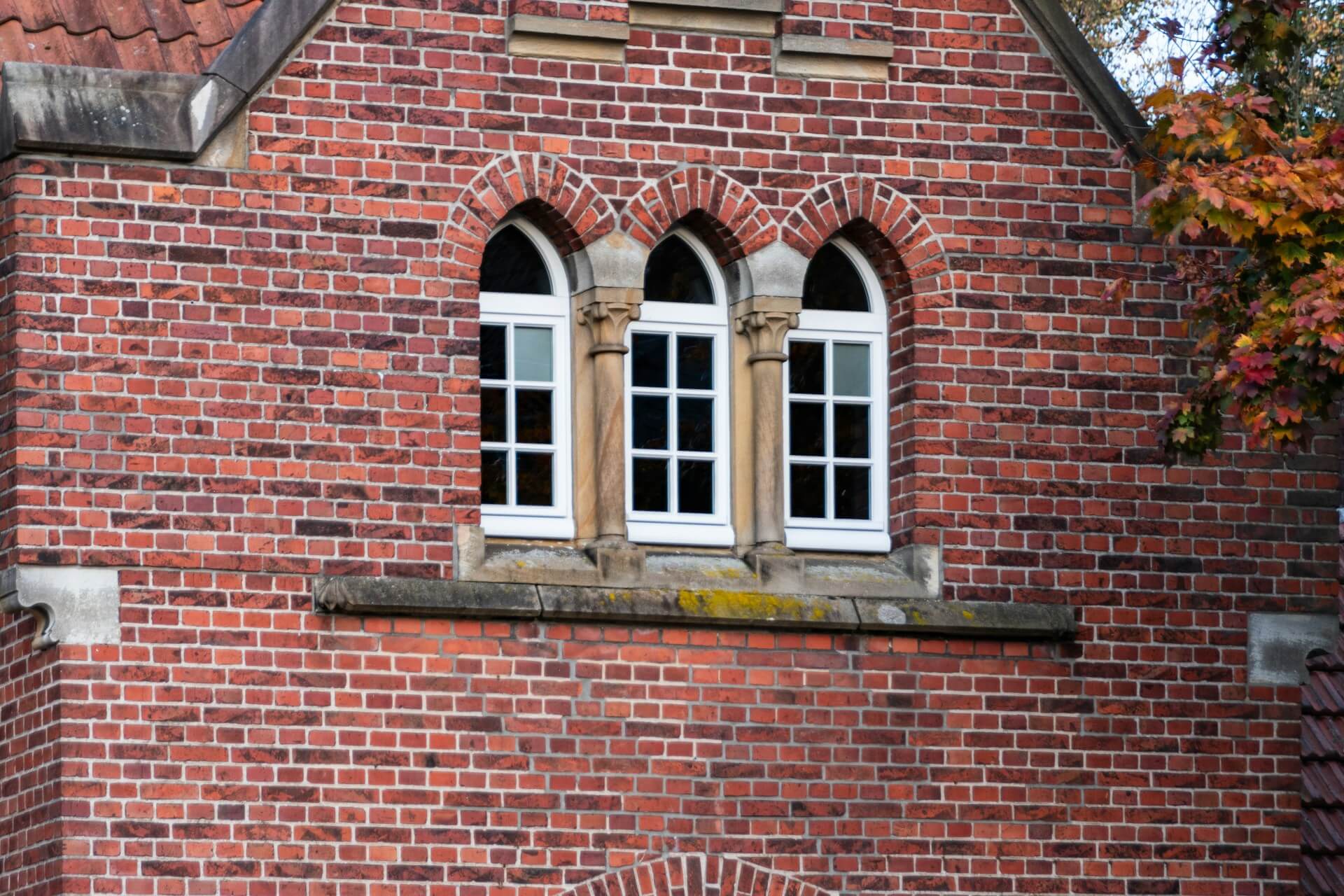
If you have ever stood next to your living room window on a cold January evening and felt that subtle chill against your arm, you already understand the problem. Heat loss through windows is one of the most common comfort complaints we hear from homeowners across Newcastle. You can turn the thermostat up, but if warmth is escaping faster than it should, your home will never feel quite right.
In the North East, we rely on heating for a significant part of the year. Damp air, steady winds and long winters mean your windows work hard every single day. When they underperform, the effects show up as higher energy bills, condensation and rooms that never feel consistently warm.
At Windows & Doors Newcastle, we assess heat loss issues in properties ranging from Victorian terraces to modern new builds. This guide explains exactly how heat escapes through windows, what you can do about it, and how to make smart upgrades that genuinely improve comfort and efficiency.
Why Heat Loss Through Windows Matters in Newcastle
Heat loss is not just a technical term. It directly affects how your home feels.
Longer Heating Seasons
Newcastle’s heating season often stretches from early autumn through late spring. That extended demand increases the importance of proper insulation.
Small inefficiencies over many months add up.
Wind and Moisture Exposure
Wind-driven rain and cold air place additional pressure on window seals. If frames or glazing are weak, heat escapes more quickly.
Effective sealing and insulation are essential in these conditions.
Rising Energy Awareness
While windows are not the sole contributor to energy bills, they play a meaningful role in overall efficiency.
Reducing heat loss through glazing is one of the most effective upgrades homeowners can make.
How Heat Escapes Through Windows
Understanding the mechanisms of heat loss helps clarify solutions.
Conduction Through Glass
Glass naturally conducts heat. Single glazing allows warmth to transfer rapidly from inside to outside.
Modern double and triple glazing reduce this transfer significantly.
Air Leakage Around Frames
Gaps between frames and brickwork allow warm air to escape and cold air to enter.
This type of heat loss often feels like a draught.
Radiation Through Glazing
Heat radiates from warm interior surfaces to colder external surfaces through the glass.
Low-emissivity coatings are designed to reduce this effect.
Each of these mechanisms must be addressed for effective improvement.
Upgrade 1: Replace Single or Outdated Double Glazing
The largest gains come from replacing older systems.
From Single to Double Glazing
Single glazing has U-values around 4.8 to 5.8 W/m²K. Modern double glazing can reduce this to around 1.2 to 1.4 W/m²K.
The difference in thermal performance is substantial.
Upgrading Older Double Glazing
Early double glazing lacked low-emissivity coatings and argon gas filling.
Modern sealed units improve insulation and reduce internal glass temperature fluctuations.
Replacing outdated glazing often transforms winter comfort.
Upgrade 2: Choose A-Rated or Higher Windows
Energy-rated windows combine insulation and airtightness.
What A Rating Means
A-rated windows balance heat retention, solar gain and air leakage performance.
They provide strong overall efficiency suitable for Newcastle’s climate.
Is A+ Necessary?
In many cases, high-quality A-rated double glazing performs extremely well.
Triple glazing may be beneficial in highly exposed properties, but it is not always essential.
Selecting appropriate specification matters more than chasing the highest label.
Upgrade 3: Improve Frame Insulation
The frame is just as important as the glass.
uPVC Frames
Multi-chambered uPVC frames trap air and reduce heat transfer.
They are widely used in Newcastle for their balance of cost and performance.
Aluminium with Thermal Breaks
Modern aluminium frames include insulating barriers that prevent heat conduction.
Without thermal breaks, aluminium would lose heat rapidly.
Timber and Composite Options
Timber offers natural insulation but requires maintenance.
Composite frames combine materials to improve durability and thermal performance.
Choosing the right frame material supports overall heat retention.
Upgrade 4: Focus on Installation Quality
Even the best window can underperform if installed poorly.
Airtight Internal Sealing
Proper internal sealing prevents warm air escaping into wall cavities.
This step is essential for real-world performance.
Cavity Insulation
Gaps between frame and brickwork must be fully insulated.
Cold bridging at these junctions reduces efficiency.
External Weatherproofing
Neat silicone application prevents wind-driven rain and air infiltration.
In Newcastle’s damp climate, sealing quality directly affects heat retention.
Secondary Measures for Existing Windows
Not all homeowners are ready for full replacement.
Draught-Proofing
Replacing worn seals or adding draught-proof strips can reduce air leakage in the short term.
This is a temporary measure rather than a long-term solution.
Thermal Curtains and Blinds
Heavy curtains and insulated blinds add an extra layer of protection during winter nights.
While they do not improve glass performance, they reduce radiant heat loss.
Window Film
Low-emissivity film can improve performance slightly, though it does not match the benefits of full glazing replacement.
These measures help, but comprehensive upgrades provide greater impact.
Reducing Condensation Alongside Heat Loss
Improved insulation often reduces condensation risk.
Warmer internal glass surfaces prevent moisture forming on panes.
While ventilation remains important, better glazing contributes to moisture control.
Condensation reduction is often a noticeable benefit of window upgrades.
The Financial Impact of Reducing Heat Loss
Savings vary depending on starting point.
Replacing single glazing yields the most dramatic improvement.
Upgrading older double glazing delivers more modest but still meaningful efficiency gains.
While windows alone will not eliminate heating bills, they contribute significantly to overall energy performance.
Long-term comfort improvements are often valued just as highly as cost savings.
Common Mistakes to Avoid
Focusing solely on glass without considering frame insulation.
Ignoring installation standards.
Assuming triple glazing is always necessary.
Overlooking the importance of proper sealing.
Understanding the full system prevents disappointment.
Final Thoughts
Reducing heat loss through windows in Newcastle is about more than energy ratings. It involves upgrading glazing technology, choosing the right frame material and ensuring professional installation.
Modern double glazing with low-emissivity coatings, argon gas filling and properly insulated frames delivers excellent results for most homes. Triple glazing may suit specific situations, but it is not always required.
In a climate with long heating seasons and frequent damp conditions, addressing window heat loss improves comfort, reduces draughts and supports overall efficiency.
When properly specified and professionally installed, high-performance windows transform not just how your home looks, but how it feels through every North East winter.
Get A Quick Quote
Please provide your contact details here and we’ll get back to you shortly with a quote. We aim to respond to all quote requests in 24 hours.

