
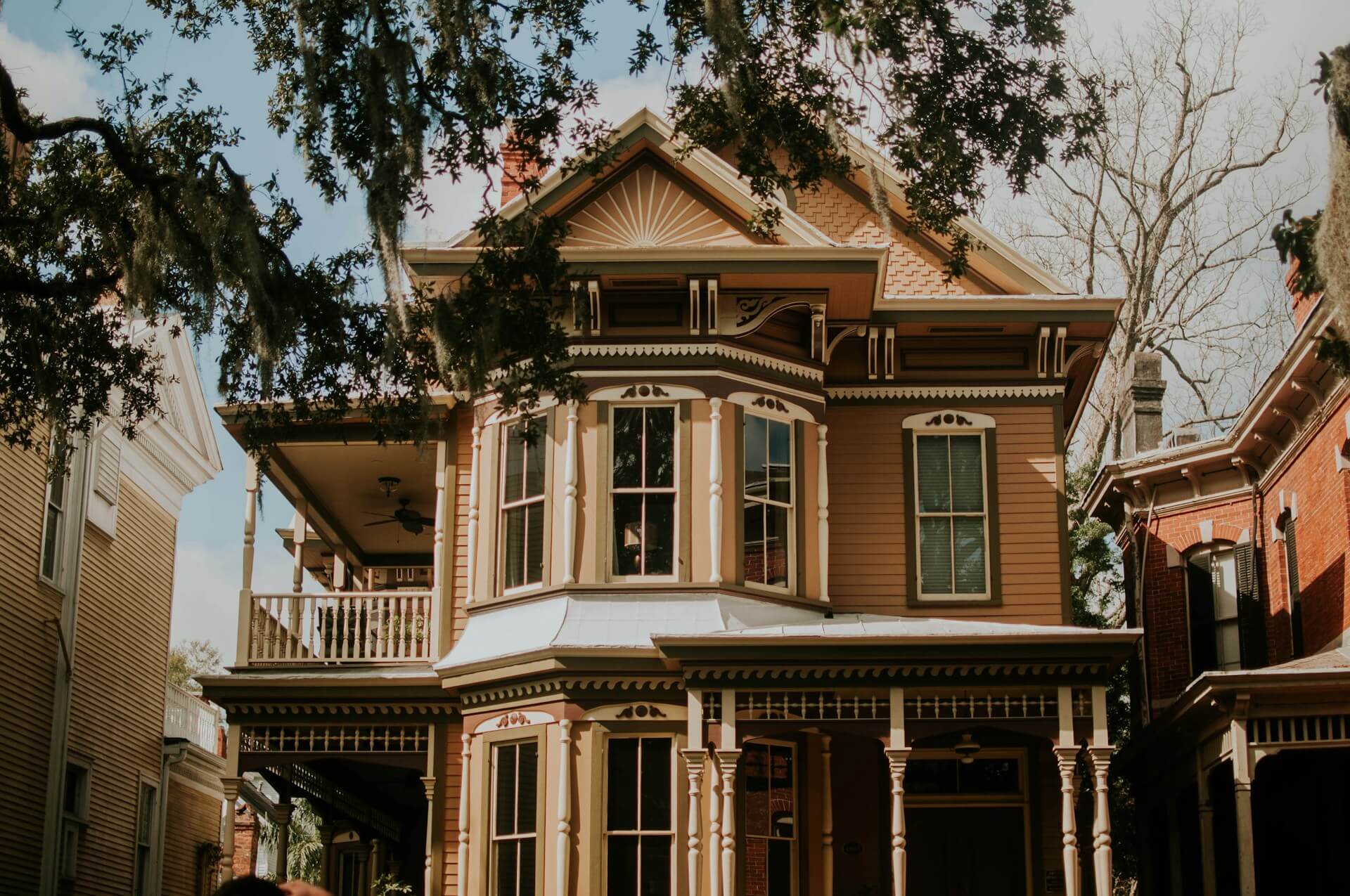
Owning a Victorian property in Newcastle is something many homeowners actively seek out. The tall ceilings, detailed brickwork, bay fronts and elegant sash windows give these homes a presence that modern builds simply cannot replicate.
However, living in a Victorian terrace in Jesmond, Heaton, Sandyford or Gosforth often comes with a trade-off. Original single glazing, ageing timber frames and decades of patch repairs can leave rooms cold, noisy and expensive to heat.
If you are researching upgrading windows in Victorian Newcastle properties, you are likely trying to strike a careful balance. You want improved energy efficiency, better security and lower maintenance, but you do not want to strip away the architectural character that defines your home.
At Windows & Doors Newcastle, we regularly upgrade windows in Victorian homes across the city. These projects require more consideration than a standard replacement in a newer property. This guide will walk you through everything you need to know before making a decision.
Why Victorian Windows Deserve a Different Approach
Victorian homes were built between roughly 1837 and 1901, during a period of strong architectural identity. Windows were not just functional openings; they were design features that shaped the entire façade.
Tall, vertical proportions, detailed glazing bars and carefully crafted timber frames gave these properties rhythm and symmetry. Replacing them incorrectly can completely alter the visual balance of the house.
Unlike many 1930s or post-war homes, Victorian properties often rely heavily on the elegance of their window design to define their appearance.
Understanding the Original Victorian Window Design
Before upgrading, it helps to understand what was there originally and why it looked the way it did.
Traditional Timber Sliding Sash Windows
The defining feature of most Victorian Newcastle properties is the timber sliding sash window. These windows operate vertically, with one or both sashes sliding within a box frame.
Early Victorian designs often featured six-over-six pane arrangements. Later Victorian styles moved toward larger panes with fewer glazing bars as glass manufacturing improved.
The vertical movement and slim sightlines are critical to maintaining authenticity.
Tall, Narrow Proportions
Victorian windows are usually taller than they are wide. This vertical emphasis complements the height of ceilings and creates a sense of elegance from the street.
Replacing these with horizontal casement styles disrupts that balance immediately.
Decorative Stone and Brick Surrounds
Many Victorian homes in Newcastle include stone lintels, arched brickwork or decorative sills surrounding the window opening. These details frame the window visually.
Any upgrade must preserve these features rather than overpower them.
Are You in a Conservation Area?
Before making decisions about upgrading windows in a Victorian Newcastle property, you must check whether your home lies within a conservation area.
Parts of Jesmond, Grainger Town and other central areas of Newcastle are protected. In these locations, you may be required to replace windows on a like-for-like basis, especially if original timber sashes remain.
Failure to comply with planning guidelines can lead to enforcement action and costly remedial work.
Always confirm with Newcastle City Council before committing to a specific window style if you are unsure.
The Best Options for Upgrading Victorian Windows
When upgrading windows in Victorian Newcastle properties, certain options preserve character far better than others.
Engineered Timber Sash Windows
For homeowners who want maximum authenticity, engineered timber sash windows remain the gold standard.
Modern timber sashes replicate original detailing, including slim glazing bars and traditional box frames. At the same time, they incorporate modern double glazing and improved draught-proofing.
They offer excellent thermal performance compared to original single glazing while maintaining period aesthetics.
However, timber requires periodic maintenance and generally comes at a higher cost than uPVC.
High-Quality uPVC Sliding Sash Windows
Modern uPVC sash windows have improved dramatically over the past decade.
Premium systems now feature mechanical balances instead of visible spiral springs, allowing for smoother operation and more traditional appearance.
Slimmer frames and refined detailing make them far more suitable for Victorian homes than earlier bulky versions.
Choosing a reputable, high-quality system is essential. Cheap alternatives often have thick frames that distort proportions.
Secondary Glazing for Heritage Compliance
In some conservation areas, full replacement may not be permitted.
Secondary glazing involves installing an additional internal pane behind the existing window. This preserves the original exterior appearance while significantly improving insulation and noise reduction.
While not always ideal aesthetically from inside, it can be an effective compromise where planning restrictions apply.
Why Casement Windows Rarely Suit Victorian Homes
One of the most common mistakes made when upgrading Victorian properties is replacing sash windows with modern outward-opening casement windows.
Casement windows change the entire visual rhythm of the façade. They eliminate the vertical sliding element that defines Victorian design.
Even if performance improves, the aesthetic compromise is significant and often reduces kerb appeal.
Maintaining the sash style is almost always the better long-term decision.
Glazing Upgrades for Energy Efficiency
Victorian homes were built long before insulation standards existed.
Solid brick walls and single glazing result in considerable heat loss during Newcastle’s colder months.
Modern Double Glazing
High-performance double glazing dramatically improves energy efficiency compared to original single glazing.
It reduces heat loss, minimises condensation and helps stabilise internal temperatures.
Slimline Heritage Double Glazing
Slimline double glazing units are specifically designed for period properties.
They maintain narrower sightlines and replicate traditional glazing bar depth more accurately than standard units.
These are particularly useful where authenticity is a priority.
Acoustic Glazing for Urban Areas
Many Victorian homes in Newcastle are located near busy roads or student areas.
Acoustic glazing significantly reduces external noise without changing the external appearance of the window.
This upgrade can transform comfort levels in city-centre terraces.
Preserving Period Details
Upgrading does not mean modernising beyond recognition.
Matching Glazing Bar Patterns
If your original windows featured a specific pane layout, replicate it.
Changing a two-over-two or six-over-six configuration to a single large pane alters the entire character of the façade.
Retaining Stone Sills and Decorative Brickwork
Careful removal of old frames protects original masonry.
Experienced installers know how to remove sash boxes without damaging surrounding stone or brick detailing.
At Windows & Doors Newcastle, we treat Victorian brickwork with particular care during extraction and installation.
Security Improvements Without Visual Compromise
Original sash windows were not designed with modern security standards.
Upgraded sash systems now include reinforced frames, secure locks and anti-lift mechanisms.
These improvements are discreet and built into the design, enhancing safety without altering traditional aesthetics.
Security should improve quietly in the background rather than dominate the design.
Cost of Upgrading Windows in Victorian Newcastle Properties
Costs vary depending on material and specification.
For a typical Victorian terrace in Newcastle, replacing all front and rear windows in high-quality uPVC sash systems may range from £8,000 to £14,000.
Engineered timber sash replacements often sit at the higher end due to craftsmanship and materials.
Secondary glazing is usually more affordable but depends on the number of openings.
Budget should be balanced against long-term value and preservation of character.
Installation Challenges in Victorian Homes
Victorian properties often feature solid brick construction with original sash boxes embedded into the wall.
Removing these requires patience and skill.
Openings may be slightly uneven due to age and settlement. Internal plaster may require careful making good after removal.
Choosing installers experienced with period properties makes a significant difference to the final result.
Common Mistakes to Avoid
Replacing sash windows with casements is the most visually damaging decision.
Choosing overly chunky frames that alter proportions is another frequent error.
Ignoring conservation rules can lead to legal complications and costly corrections.
Working with installers unfamiliar with Victorian detailing can result in poor alignment and visible finishing flaws.
The Importance of Proportion and Sightlines
Victorian homes rely on proportion.
The width of glazing bars, the depth of the frame and the spacing between panes all contribute to the overall aesthetic.
Small changes can have a large visual impact.
When evaluating options, always compare samples against your existing openings and brickwork.
Final Thoughts on Upgrading Windows in Victorian Newcastle Properties
Upgrading windows in Victorian Newcastle properties is not a simple swap. It is a considered process that balances performance with heritage.
Engineered timber or high-quality sash-style replacements are usually the most sympathetic options. Slimline double glazing improves comfort without compromising authenticity.
When handled correctly, upgraded windows should look as though they have always belonged to the property.
Your Victorian home should retain its elegance and architectural rhythm while benefiting from modern warmth, security and energy efficiency.
Done properly, the upgrade enhances rather than erases the history of your home, ensuring it continues to stand proudly on Newcastle’s streets for decades to come.
Get A Quick Quote
Please provide your contact details here and we’ll get back to you shortly with a quote. We aim to respond to all quote requests in 24 hours.

